Roof Repairs Succasunna NJ for Loose Flashing and Nail Pops
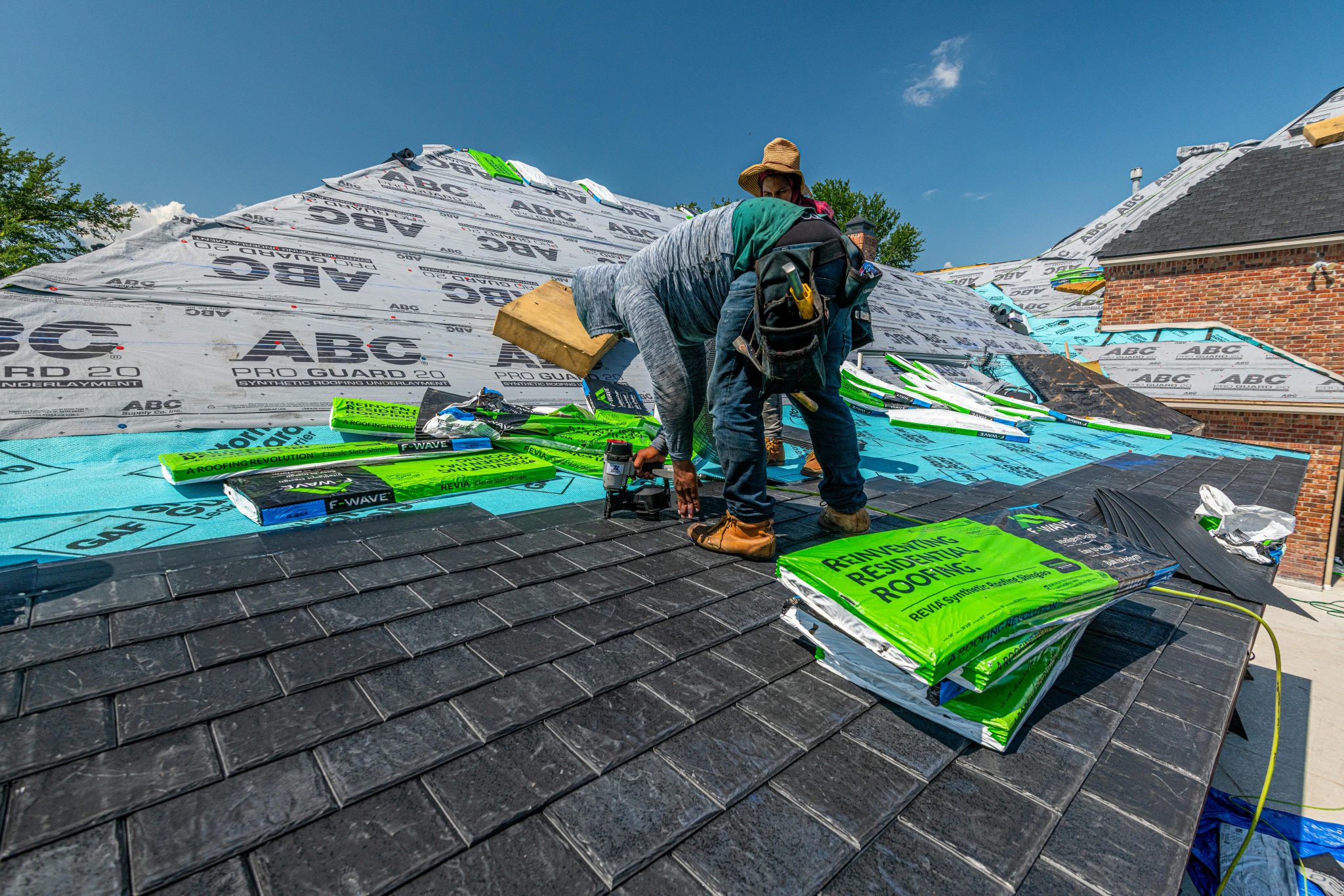


A roof rarely fails all at once. More often, it starts with a detail that looks small from the yard, a lifted piece of flashing near a chimney, a row of shingles with raised fasteners, a faint water stain that appears after a hard rain and then seems to dry up on its own. In Succasunna, those details matter because local roofs take a steady beating from winter freeze and thaw cycles, summer humidity, wind-driven rain, and the kind of temperature swings that make building materials expand and contract over and over again.
Loose flashing and nail pops are two of the most common repair issues on asphalt shingle roofs, and they are also among the easiest to underestimate. Homeowners often assume they are cosmetic. From the ground, a small piece of metal edging that has pulled away by half an inch does not look urgent. A raised shingle tab does not seem like an active leak. Yet these are exactly the sorts of conditions that let water get behind the roof system, where it can stain decking, soften underlayment, and eventually cause interior damage that costs far more than the original repair.
When people search for Roof Repairs Succasunna NJ, this is often what they are dealing with. Not a dramatic collapse, not a full replacement, just a roof that is signaling distress in a few precise areas. The challenge is knowing whether the fix is truly minor, whether it points to a larger problem, and how to repair it in a way that holds up through the next season.
Why loose flashing turns into a leak faster than most homeowners expect
Flashing is the sheet metal used to direct water away from roof transitions and openings. You see it around chimneys, sidewalls, dormers, plumbing vents, skylights, and valleys. Its job sounds simple, but in practice it is one of the most critical parts of the roof because water naturally concentrates at these intersections.
When flashing loosens, water stops following the clean path the roof was designed to provide. Instead, it sneaks under shingles, tracks behind siding, or sits in a seam where it should never stay. On homes in Succasunna, chimney flashing is a frequent trouble spot because masonry and roofing materials move differently. Brick absorbs moisture and goes through seasonal expansion. The roof deck shifts a little with weather. If the original flashing was nailed carelessly, sealed with too much exposed caulk, or installed without proper step flashing, the joint starts to separate.
I have seen leaks where the homeowner was convinced the chimney itself was failing, only to find the real problem was one section of https://caidenwexc541.talesignal.com/posts/simple-maintenance-tips-to-reduce-roof-repairs-in-succasunna-nj counter flashing that had lifted enough to admit wind-driven rain. I have also seen the reverse, where someone repeatedly sealed around the chimney with roof cement when the actual issue was deteriorated mortar joints. Good roof repair work comes down to distinguishing between the symptom and the source.
That is one reason responsible Roof Repairs require a close look at how the roof components overlap and shed water. Flashing should not rely on sealant alone. Sealant has a place, but it is a supporting material, not the primary waterproofing strategy. The metal needs to be tucked, lapped, and fastened properly so gravity does most of the work.
Nail pops are small, but they tell you something about the roof system
A nail pop happens when a roofing nail begins to back out of the deck, pushing the shingle upward. Sometimes you can see a round bump. Sometimes the nail head breaks through the shingle surface. Either way, the shingle loses its flat seal, and that creates an opening for water and wind.
The reasons for nail pops vary. In some cases, the original nails missed solid decking or were driven at an angle. In others, attic ventilation problems contribute by overheating the roof assembly, which accelerates movement and aging. Moisture cycling in the wood deck can also play a role. As the deck swells and dries, fasteners work loose over time. Older roofs often show more nail pops simply because the system has gone through enough seasonal movement to expose weak points.
A nail pop is rarely just a matter of hammering the nail back down and walking away. That old shortcut almost always fails. Once a nail has backed out, it has already lost some holding power. Driving it back into the same spot can create a temporary improvement, but the better repair is to remove the compromised nail, refasten the area correctly, and replace the affected shingle if the fastener penetrated or distorted it.
This is where experience matters. A proper repair should leave the roof flatter, tighter, and more weather resistant than it was before. A careless repair can solve the visible bump while creating a hidden path for moisture.
The local climate in Succasunna makes these repairs more urgent
Roofs in northern New Jersey deal with a demanding set of conditions. Snow loads matter, but the bigger issue in many repair situations is the freeze and thaw cycle. Water enters a tiny gap around flashing or under a raised shingle, then temperatures drop. That moisture expands as it freezes, widening the opening. The next storm pushes in more water. Over the course of one winter, a small weakness becomes a persistent leak.
Summer brings a different kind of stress. High attic temperatures can cook shingles from underneath if ventilation is poor. Sealants dry out faster. Metal flashing expands in the sun and contracts after sunset. Add wind-driven thunderstorms, and any area that has lifted or loosened becomes vulnerable.
That is why timing matters. A loose piece of flashing found in October is not something to leave until spring. The same goes for visible nail pops after a stretch of hot weather. Early Roof Repairs are almost always cheaper and cleaner than reactive leak repairs done after interior damage appears.
What a professional looks for before touching the repair
A good repair starts with diagnosis, not with a caulk gun. Before replacing shingles or resealing flashing, a roofer should determine whether the problem is isolated or part of a larger pattern. One popped nail near a roof edge might be a simple fastener issue. Fifteen popped nails spread across one slope suggest movement, aging, or installation defects. Loose flashing around one vent stack is different from recurring separation around every penetration.
On inspection, the roofer should look at the surrounding shingles, the condition of the seal strips, the firmness of the decking underfoot, and the way water would run through that section of roof. If the repair is near a chimney or wall, the siding or masonry should be checked too. Water has a habit of traveling. The ceiling stain that appears in one room may come from a roof entry point several feet uphill.
This is one reason homeowners sometimes get conflicting opinions. One contractor may quote a quick seal-up because that is the visible issue. Another may recommend replacing a wider section because the surrounding materials are brittle, poorly integrated, or already compromised. Neither answer is automatically right or wrong. The difference lies in what the roof actually shows on close inspection.
How loose flashing is repaired the right way
The proper repair depends on the type of flashing and the condition of adjacent materials. Step flashing along a sidewall is handled differently from apron flashing at the base of a chimney or pipe boot flashing around a vent. The key is to restore a layered water-shedding assembly rather than simply cover over the problem.
If the metal is intact but pulled loose, it may be possible to refasten and reseat it, then integrate it correctly beneath the shingles or siding. If the flashing is bent, rusted, punctured, or installed in a way that traps water, replacement is usually the better choice. Around chimneys, the best long-term result often comes from addressing both base flashing and counter flashing together, especially if prior patching has left the area thick with roofing cement.
One of the more common mistakes I see is overuse of tar or mastic at flashing joints. It can make a repair look substantial for a season, but heavy exposed patching tends to crack, attract debris, and hide the metal details that should be doing the real work. On a steep roof, it can also divert water in odd ways. Clean, correctly lapped flashing almost always outperforms a bulky patch.
When the flashing issue is tied to siding or masonry, the repair may need to reach beyond the roof itself. That is not scope creep, it is practical reality. A roof transition can only perform if the adjoining material is doing its part.
The right way to handle nail pops on asphalt shingles
A sound nail pop repair usually involves lifting the affected shingle carefully, removing the backed-out fastener, securing the area with a new fastener placed in solid decking, and sealing or replacing shingles as needed to preserve the manufacturer-style water path. If the shingle is brittle from age, the repair may extend to replacing several nearby shingles so the section lies flat and seals properly.
On newer roofs, isolated nail pops can often be repaired cleanly without broad disruption. On older roofs, especially ones that have become dry and stiff, even a careful repair can reveal that the shingles are near the end of their practical life. That is where judgment matters. There is no value in pretending a fragile twenty-plus-year-old roof can be restored indefinitely with scattered patchwork. At the same time, there is also no reason to recommend replacement for every popped nail on a roof that still has solid service left.
Homeowners deserve that distinction. Good Roof Repairs are not about selling the biggest job. They are about matching the repair to the actual condition of the system.
Signs the issue may be bigger than loose flashing or a few popped nails
Sometimes these visible defects are the tip of the iceberg. A repair technician should be alert for clues that point to deck damage, ventilation imbalance, repeated leak history, or poor original installation. The warning signs are usually straightforward once you know where to look.
- Water staining in the attic, especially dark rings around nail penetrations or damp insulation near eaves
- Multiple nail pops clustered on one slope rather than isolated in random locations
- Flashing areas with heavy old sealant, indicating repeated patch attempts
- Shingles that crack easily when lifted, suggesting the roof may be too aged for simple spot repair
- Soft decking underfoot near valleys, chimneys, or roof penetrations
If several of those conditions are present at once, a homeowner should be prepared for the possibility that the best answer goes beyond a minor service call.
Repair versus replacement, where the line usually falls
This is one of the most common questions during Roof Repairs Succasunna NJ appointments. The answer depends on age, condition, repair history, and how widespread the problem is. A roof that is ten years old with one section of loose flashing and a few nail pops is usually a good repair candidate. A roof that is nearing the end of its expected life, has recurring leaks, and shows brittle shingles across several slopes may be better served by replacement.
The line is not purely about age. I have seen younger roofs with poor workmanship that needed major corrective work, and older roofs that stayed serviceable because they were well built and had proper ventilation. What matters is whether the surrounding roof can support a durable repair. If a repaired section is likely to be followed by failures in adjacent areas within a short time, the economics start to change.
That does not mean replacement should be pushed aggressively. It means the homeowner should understand the likely trajectory. If a repair buys three to five solid years on an otherwise decent roof, that can be a smart decision. If it buys one winter and leaves the owner facing the same leak next year, it is not money well spent.
What homeowners can do before calling for service
There are useful observations a homeowner can make without climbing onto the roof. From the yard, look for shingles that sit unevenly, exposed metal near roof penetrations, or dark streaking below flashing points that may suggest persistent water runoff. Inside the attic, if access is safe, check for staining on sheathing, damp insulation, musty odor, or daylight at roof penetrations. Even these simple observations help a roofer zero in on likely trouble spots.
It also helps to note timing. Does the leak appear only during wind-driven rain, after melting snow, or during heavy all-day storms? A chimney flashing issue often shows up during angled rain. Ice-related leaks may be more tied to freeze and thaw cycles near eaves. Small details in the leak pattern often shorten the diagnosis.
Homeowners should resist the urge to smear roof cement over visible trouble spots unless it is a true emergency stopgap. Temporary patching has its place after storm damage, but random sealant application often complicates a proper repair later. It can trap moisture, conceal fastener issues, and make shingles harder to lift without damage.
Choosing a roofer for this kind of work
Spot repairs require a different mindset than full replacements. The best repair technician is usually someone who is patient with diagnosis, realistic about limitations, and willing to explain why a localized fix will or will not hold up. That matters because loose flashing and nail pops sit right at the intersection of small symptoms and larger roof behavior.
A quality roofer should be able to describe what failed, what materials are needed, and whether the repair interacts with masonry, siding, ventilation, or decking. They should also be clear about what can be guaranteed. For example, replacing a section of flashing on a roof with brittle surrounding shingles may solve the active leak, but the roofer should say honestly if the rest of the slope remains vulnerable.
Here are a few practical questions worth asking during an estimate:
- Is this an isolated repair, or do you see evidence of a wider issue?
- Will the repair involve replacing shingles, reflashing, resealing, or some combination?
- Are the surrounding shingles flexible enough to work with without causing new damage?
- Do you see signs of deck rot, attic moisture, or ventilation problems?
- If this were your house, would you repair this section or start planning for replacement?
Those answers usually tell you a lot about the contractor’s experience and candor.
Cost expectations, without pretending every roof is the same
Repair pricing varies by roof height, pitch, access, material condition, and how deep the problem goes. A simple nail pop repair on an accessible lower slope is very different from reflashing a steep chimney on a multi-story home. That is why exact prices without inspection are not very meaningful.
What is fair to say is that prompt repair almost always costs less than delay. Loose flashing caught early may require a targeted correction. Left alone, it may lead to wet decking, damaged insulation, stained drywall, and mold concerns in concealed spaces. The same applies to nail pops. A handful of corrected fasteners is a routine repair. Water intrusion around those fasteners can turn it into a carpentry and interior finishing job.
When homeowners compare quotes, scope matters more than the raw number. One proposal may include replacing compromised shingles and integrating new flashing correctly. Another may amount to exposed sealant over the problem area. Those are not equal repairs, even if the leak seems to stop for a little while.
Why these details deserve attention now, not after the ceiling stains
The roofs that age best are usually the ones that get thoughtful maintenance when warning signs first appear. Loose flashing and nail pops fall squarely into that category. They do not always announce themselves dramatically, but they are among the clearest indicators that part of the roof system has started to move, separate, or lose holding power.
For homeowners in Succasunna, that is especially important because local weather tests every shortcut. A repair that depends on luck will not last long through winter weather and summer storms. A repair that restores the roof’s original water-shedding design has a much better chance of holding up.
If you are seeing lifted metal near a chimney, wall, or vent, or noticing raised shingle spots that suggest nail pops, it is worth having the roof evaluated before the next stretch of severe weather. The best Roof Repairs Succasunna NJ work is usually not dramatic. It is precise, well-reasoned, and done before a manageable defect becomes a structural problem. That is what protects the house, the budget, and the peace of mind that should come with a roof doing its job quietly overhead.
Royalty Exteriors
Address: 151 NJ-10 Ste 103A, Succasunna, NJ 07876
Phone number: +19733337234
FAQ About Roof Repairs Succasunna NJ
How much should I pay for roof repairs?
Most homeowners pay an average of $900 to $1,200 for roof repairs, with typical projects ranging from $150 to $3,000+ depending on the severity of the damage.
What are the most common roof repairs?
The most common roof repair is fixing water leaks by replacing damaged, cracked, or missing asphalt shingles and sealing compromised flashing.
Does homeowners insurance pay for roof repairs?
Homeowners insurance pays for roof repairs only if the damage is sudden and accidental, such as from a storm, hail, or a falling tree.